
Introduction
Gaming has become more competitive than ever before. Whether someone plays casual mobile games, online multiplayer titles, battle royale games, sports simulations, or story-driven adventures, improving performance can make gaming more enjoyable and rewarding. Many players struggle to win matches consistently because they focus only on playing for long hours instead of building real gaming skills.
Learning how to improve gaming skills requires patience, smart practice, and the right mindset. Beginners often believe that talented gamers are naturally gifted, but the truth is that most skilled players spend years practicing techniques, studying gameplay, and improving decision-making. Even intermediate players can reach a higher level by understanding their mistakes and following better gaming habits.
Modern gaming also demands more than quick reflexes. Players must improve focus, communication, strategy, teamwork, map awareness, and reaction time. Small improvements in these areas can create major differences during gameplay. In addition, proper equipment setup, healthy routines, and game knowledge play important roles in long-term success.
What is Improve Gaming Skills?
Improve gaming skills means developing the abilities needed to perform better in video games. These skills include reaction time, hand-eye coordination, game sense, strategic thinking, teamwork, communication, accuracy, adaptability, and emotional control.
Every game requires different types of skills. For example, first-person shooter games focus heavily on aim, movement, and fast reactions. Strategy games require planning and resource management. Multiplayer online battle arena games demand teamwork and communication. Sports games need timing, positioning, and tactical awareness.
Improving gaming skills does not happen overnight. It is a gradual process where players identify weaknesses, practice consistently, learn from experienced gamers, and apply better techniques during gameplay.
Players who want to improve gaming skills often focus on areas such as:
- Better aiming and accuracy
- Faster reaction speed
- Stronger game knowledge
- Improved teamwork
- Smarter decision-making
- Better communication
- More consistent performance
- Strong mental focus
Gaming improvement is similar to learning any other skill. Consistency, discipline, and smart training methods are far more effective than random practice.
Why is Improve Gaming Skills Important?
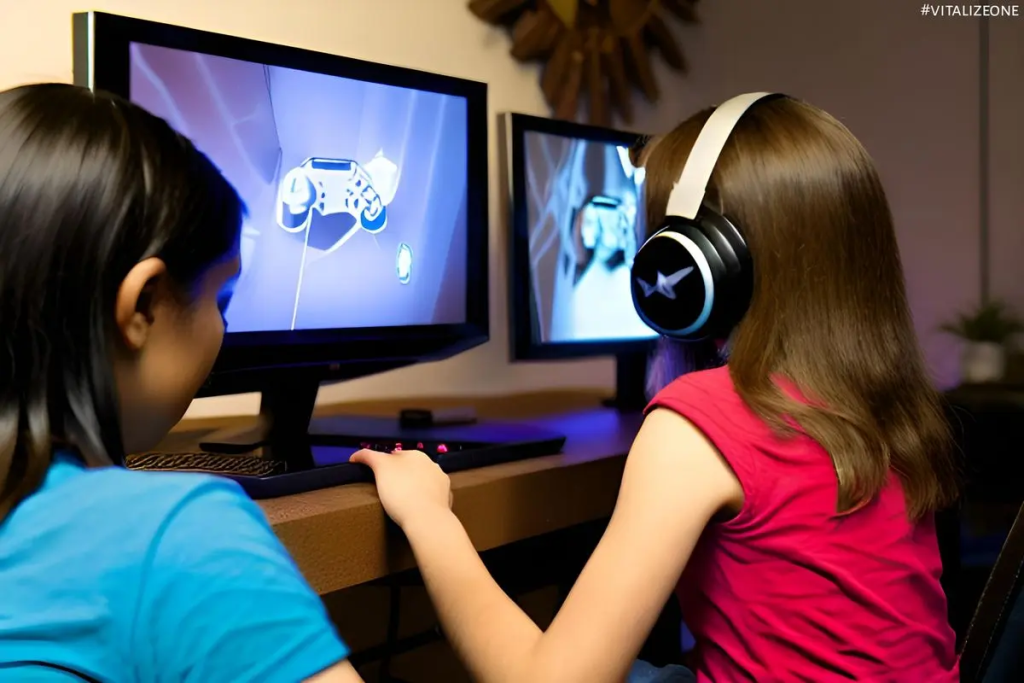
Improving gaming skills is important because it enhances both performance and overall enjoyment. Skilled players understand game mechanics better, make smarter decisions, and feel more confident during matches.
One major benefit is increased consistency. Many players experience random performance because they rely on luck instead of technique. Players who improve gaming skills can maintain better results over time.
Competitive gaming also continues to grow worldwide. From ranked matches to esports tournaments, players now face tougher competition. Better gaming skills help players compete effectively and adapt to changing gameplay environments.
Another important factor is teamwork. Multiplayer games require communication and coordination. Skilled players contribute more effectively to team success and avoid becoming a weak link during matches.
Improved gaming skills can also reduce frustration. Many gamers quit matches or become angry because they repeatedly lose. Better understanding of gameplay mechanics leads to smarter decisions and fewer unnecessary mistakes.
In addition, gaming skills can improve cognitive abilities such as problem-solving, multitasking, focus, and quick decision-making. These mental improvements may even help in daily life activities.
Most importantly, improving gaming skills creates a more rewarding experience. Winning difficult matches, mastering advanced mechanics, and achieving higher ranks give players a strong sense of achievement.
Detailed Step-by-Step Guide
Set Clear Gaming Goals
The first step to improve gaming skills is setting clear and realistic goals. Players who practice without goals often waste time repeating the same mistakes.
Instead of saying, “I want to become better,” create specific targets such as:
- Improve aiming accuracy by 20%
- Reach a higher competitive rank
- Learn advanced movement mechanics
- Reduce unnecessary deaths
- Improve communication with teammates
Specific goals make practice sessions more focused and productive.
Choose the Right Game to Master
Many players switch between multiple games every day. While variety can be fun, constantly changing games slows skill development.
Choose one primary game and spend time mastering its mechanics. Learning maps, weapons, abilities, and strategies becomes easier when players focus on one title consistently.
For example:
- FPS players should learn recoil control and map positioning
- Strategy gamers should study economy management and tactics
- Sports gamers should master timing and defensive positioning
Specialization allows faster improvement.
Learn Game Mechanics Thoroughly
Understanding game mechanics is one of the most effective ways to improve gaming skills.
Every game contains systems that skilled players use effectively. Beginners often ignore these mechanics and depend only on reflexes.
Important mechanics may include:
- Weapon recoil patterns
- Character abilities
- Movement systems
- Damage calculations
- Economy systems
- Cooldown management
- Map layouts
Spend time learning how the game actually works instead of only playing casually.
Practice Consistently
Consistency matters more than extremely long gaming sessions. Practicing for one focused hour daily is usually better than playing randomly for six hours once a week.
Create a practice schedule that includes:
- Warm-up sessions
- Skill training
- Competitive matches
- Gameplay review
Daily repetition helps build muscle memory and faster reactions.
Improve Aim and Accuracy
Aim is extremely important in shooting games. Even strong strategy becomes useless if players cannot hit targets consistently.
To improve aiming:
- Lower unnecessary mouse sensitivity
- Practice crosshair placement
- Train tracking and flick shots
- Use aim training maps or drills
- Focus on accuracy before speed
Good aim develops gradually through repetition and patience.
Master Movement Techniques
Movement separates average players from advanced competitors. Predictable movement makes players easier targets.
Practice:
- Strafing
- Sliding
- Jump timing
- Crouch movement
- Positioning
- Dodging techniques
Better movement increases survivability and creates stronger offensive opportunities.
Study Professional Players
Watching experienced gamers is one of the fastest ways to improve gaming skills.
Professional players demonstrate:
- Better positioning
- Faster decision-making
- Effective teamwork
- Smart resource management
- Advanced strategies
Instead of watching passively, analyze why skilled players make certain decisions.
Take notes on:
- Movement choices
- Weapon usage
- Timing decisions
- Rotations
- Communication patterns
Applying these observations during practice can improve gameplay significantly.
Focus on Game Sense
Game sense refers to understanding what is likely to happen during gameplay.
Strong game sense allows players to:
- Predict enemy movements
- Anticipate attacks
- Rotate effectively
- Make smarter decisions
- Avoid dangerous situations
Game sense improves through experience and careful observation.
To develop better game sense:
- Pay attention to sound cues
- Watch the minimap constantly
- Learn common player behaviors
- Analyze enemy strategies
- Study match patterns
This skill becomes more valuable at higher competitive levels.
Improve Communication Skills
Team communication is essential in multiplayer gaming.
Players who communicate clearly help teammates make better decisions.
Effective communication should be:
- Short
- Clear
- Relevant
- Calm
Avoid shouting, blaming teammates, or giving confusing information.
Examples of useful communication include:
- Enemy locations
- Resource updates
- Strategic suggestions
- Warning calls
- Timing information
Positive communication also improves team morale.
Review Your Gameplay
One of the best ways to improve gaming skills is reviewing gameplay recordings.
Many players repeat mistakes because they never analyze their performance.
During reviews, focus on:
- Positioning errors
- Missed opportunities
- Poor communication
- Bad timing
- Decision-making mistakes
Ask questions such as:
- Why did this fight fail?
- Was my positioning correct?
- Did I react too slowly?
- Could I have rotated earlier?
Self-analysis leads to faster improvement.
Upgrade Gaming Equipment
Skill matters most, but proper equipment can still improve performance.
Useful gaming upgrades may include:
- Responsive gaming mouse
- Mechanical keyboard
- Comfortable headset
- High refresh rate monitor
- Stable internet connection
However, expensive equipment alone will not improve gaming skills without practice.
Maintain Physical Health
Physical health strongly affects gaming performance.
Tired players react slower and make poor decisions.
Healthy habits include:
- Sleeping properly
- Staying hydrated
- Taking breaks
- Stretching regularly
- Eating balanced meals
Good health improves focus, reflexes, and long-term consistency.
Train Mental Strength
Mental control is extremely important in competitive gaming.
Many players lose focus after mistakes or become emotional during difficult matches.
To build mental strength:
- Stay calm under pressure
- Avoid rage reactions
- Focus on learning instead of blaming
- Take breaks after frustrating losses
- Maintain confidence during matches
Strong mental discipline helps players perform consistently.
Play With Better Players
Playing against stronger opponents accelerates improvement.
Easy matches may feel enjoyable, but difficult competition reveals weaknesses.
Better opponents force players to:
- Adapt quickly
- Improve reactions
- Learn advanced strategies
- Think more carefully
Although losses may feel frustrating initially, they often provide valuable learning experiences.
Learn From Mistakes
Mistakes are a natural part of gaming improvement.
Instead of becoming angry after losses, identify lessons from each match.
For example:
- Repeated deaths may indicate poor positioning
- Missed shots may suggest sensitivity issues
- Communication problems may hurt teamwork
Treating mistakes as learning opportunities creates steady improvement over time.
Build a Strong Practice Routine
A structured routine helps players improve gaming skills efficiently.
Example routine:
- Ten-minute warm-up
- Aim or mechanics practice
- Ranked matches
- Short gameplay review
- Notes on mistakes
Organized practice prevents wasted time and builds discipline.
Benefits of Improve Gaming Skills
Improving gaming skills provides many advantages for casual and competitive players.
- Better win rates and rankings
- Increased confidence during gameplay
- Faster reaction times
- Stronger teamwork abilities
- Better decision-making skills
- Reduced frustration while playing
- Improved focus and concentration
- Enhanced strategic thinking
- Greater consistency in matches
- More enjoyment during gaming sessions
- Opportunities in competitive esports
- Stronger communication skills
- Better adaptability under pressure
- Increased understanding of game mechanics
- More rewarding gaming experiences
Disadvantages / Risks
Although gaming improvement can be rewarding, players should also understand possible disadvantages and risks.
- Spending excessive hours gaming
- Risk of physical fatigue
- Eye strain from long sessions
- Poor posture problems
- Stress from competitive environments
- Frustration after repeated losses
- Unhealthy obsession with rankings
- Reduced social interaction offline
- Sleep disruption from late-night gaming
- Burnout from constant practice
Balancing gaming with healthy habits is very important.
Common Mistakes to Avoid
Playing Without Purpose
Many gamers spend hours playing casually without focused improvement goals.
Random gameplay rarely builds advanced skills efficiently.
Ignoring Basic Mechanics
Some players immediately attempt advanced techniques while ignoring fundamentals.
Strong basics are necessary before learning complex strategies.
Blaming Teammates Constantly
Players who always blame teammates often avoid personal responsibility.
Improvement happens faster when players analyze their own mistakes first.
Changing Settings Too Frequently
Constantly changing sensitivity, controls, or keybinds prevents muscle memory development.
Find comfortable settings and practice consistently.
Playing While Exhausted
Fatigue reduces reaction speed and decision-making quality.
Rest is essential for long-term improvement.
Copying Professionals Blindly
Professional strategies may not always work for beginners.
Understand why a strategy works before copying it.
Skipping Warm-Ups
Jumping directly into competitive matches without warming up often leads to poor performance.
Short practice sessions help prepare reflexes and focus.
Becoming Too Emotional
Anger and frustration negatively affect gameplay.
Emotional control is a major part of competitive success.
FAQs
How long does it take to improve gaming skills?
Improvement speed depends on practice quality, consistency, and learning methods. Some players notice progress within a few weeks, while advanced mastery may require months or years of dedicated effort.
Can beginners improve gaming skills quickly?
Yes, beginners often improve quickly because they learn basic mechanics rapidly during early stages. Consistent practice and proper guidance accelerate this process.
Does expensive gaming equipment improve performance?
Better equipment can improve comfort and responsiveness, but skill development still depends mainly on practice, strategy, and consistency.
What is the best way to improve aim?
The best approach includes regular practice, proper sensitivity settings, good crosshair placement, and controlled training exercises. Accuracy should come before speed.
How important is teamwork in multiplayer games?
Teamwork is extremely important. Even highly skilled individual players may struggle without communication, coordination, and team support.
Should players practice every day?
Daily practice helps maintain consistency and muscle memory. However, players should avoid burnout by balancing practice with proper rest.
Why do players stop improving after some time?
Many players plateau because they repeat the same habits without analyzing weaknesses. Focused practice and gameplay reviews help overcome stagnation.
Is watching professional gamers useful?
Yes, watching professional players helps gamers understand advanced positioning, decision-making, communication, and strategy. Active analysis is more useful than passive watching.
Expert Tips & Bonus Points
Focus on One Skill at a Time
Trying to improve everything simultaneously can become overwhelming.
Instead, focus on one area such as aim, movement, communication, or positioning before moving to the next skill.
Use Headphones for Better Awareness
Sound cues provide valuable information in many games.
Good audio awareness helps detect enemy footsteps, reloads, abilities, and movement directions.
Keep Your Gaming Area Comfortable
A clean and comfortable setup improves concentration.
Adjust chair height, monitor position, and lighting to reduce fatigue.
Stay Patient During Improvement
Gaming progress is rarely perfectly smooth.
Some days performance may feel worse despite practice. Consistency matters more than temporary results.
Learn Match Timing
Many games follow predictable timing patterns.
Understanding spawn timings, rotations, cooldowns, and objectives helps players make smarter decisions.
Build Confidence Gradually
Confidence affects gameplay significantly.
Players who hesitate too much often react slowly. Controlled confidence improves decision-making and execution.
Avoid Comparing Yourself Excessively
Comparing progress constantly with professional gamers may create frustration.
Focus on personal growth and measurable improvement instead.
Take Short Breaks
Continuous gaming for long hours can reduce focus and reaction speed.
Short breaks refresh the mind and improve overall performance.
Improve Keyboard and Mouse Control
Mechanical precision is extremely important.
Practice smoother mouse movement and comfortable key usage for faster reactions.
Stay Updated on Game Changes
Games regularly receive updates, balance changes, and new strategies.
Players who stay informed adapt faster than others.
Conclusion
Learning how to improve gaming skills is a long-term journey that requires patience, discipline, and smart practice methods. While many players focus only on playing for longer hours, true improvement comes from understanding mechanics, reviewing mistakes, developing strategy, and maintaining strong mental focus.
Beginners and intermediate gamers can achieve major progress by following structured routines and setting realistic goals. Consistent practice, effective communication, better positioning, and healthy gaming habits all contribute to stronger performance. In addition, studying professional players and learning from losses can accelerate growth significantly.
Gaming should remain both challenging and enjoyable. Players who balance improvement with healthy habits are more likely to maintain motivation and avoid burnout. Every skilled gamer started as a beginner and improved through dedication and experience.